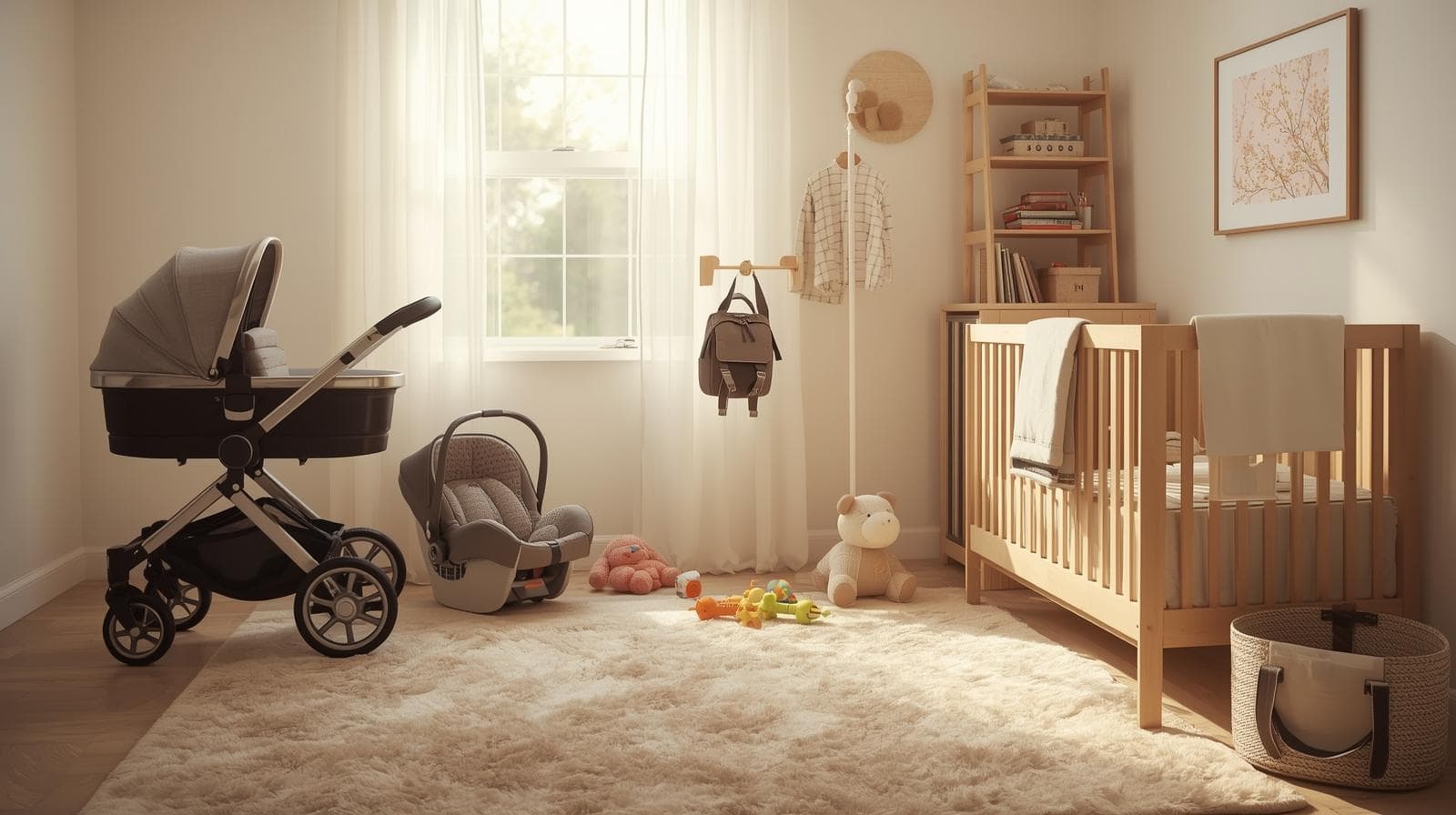
Complete guide to must-have baby gear for 2025. Learn about essential items, smart shopping strategies, safety considerations, and budget-friendly tips for new parents.
📚 Article Contents
The Ultimate Baby Gear Guide: Smart Essentials for Modern Parents
Preparing for a new baby involves navigating an overwhelming marketplace of products, each claiming to be essential. The truth is, while babies need relatively little, the right gear can significantly reduce parental stress and enhance safety. This comprehensive guide cuts through the noise to focus on truly essential items that combine safety, practicality, and value.
In 2025, baby gear has evolved to address modern parenting challenges—from space-saving designs for urban living to smart technology integration and sustainable materials. Understanding what you actually need versus what's marketed as essential can save thousands of dollars and precious storage space. This guide not only covers the must-have items but also provides strategic advice on when to buy, what features matter most, and how to avoid common purchasing pitfalls that new parents encounter.
Sleep Solutions: Creating Safe and Restful Environments
Quality sleep is crucial for both baby and parents. The right sleep gear promotes safety while making nighttime routines more manageable.
Bassinet vs. Crib: Start with a bassinet for the first 3-6 months—they're portable, space-efficient, and allow for bedside placement. Look for JPMA certification, breathable mesh sides, and adjustable height settings. Transition to a crib when babies begin rolling or sitting up. Convertible cribs that transform into toddler beds offer long-term value.
Smart Bassinet Innovations: Modern bassinets like the Snoo offer responsive rocking and white noise that adapts to baby's cries. While expensive, they can be worth the investment for desperate parents, and rental options are now available.
Safe Sleep Surfaces: Regardless of your choice, the sleep surface should be firm, flat, and fitted with a tight sheet. Avoid soft bedding, pillows, positioners, or bumpers—these pose suffocation risks.
Portable Sleep Solutions: A quality pack 'n play serves as both travel crib and safe play space. Look for models with bassinet attachments and changing stations for maximum utility.
Transportation Essentials: Navigating the World Safely
From car rides to neighborhood walks, transportation gear represents some of your most important safety investments.
Car Seat Selection
Infant Car Seats: Rear-facing only seats with handle are ideal for newborns. Look for European belt paths for secure installation, click-connect systems for stroller compatibility, and inserts designed for smaller babies.
Convertible Car Seats: These transition from rear to forward facing, typically lasting from birth to 65+ pounds. While bulkier, they eliminate the need for multiple seats.
Installation Considerations: Whether using LATCH system or seat belts, proper installation is non-negotiable. Many fire departments offer free installation checks. Consider models with clear level indicators and simple tightening mechanisms.
Stroller Strategies
Travel Systems: Combine infant car seat with compatible stroller frame for seamless transitions. Ideal for parents who frequently move baby between car and stroller.
Full-Size vs. Lightweight: Full-size strollers offer more features and smoother rides; lightweight umbrella strollers are better for travel and quick trips. Many families eventually need both.
All-Terrain Options: If you enjoy walking on varied surfaces, consider air-filled tires and suspension systems. Jogging strollers require additional safety features if used for running.
Double Stroller Considerations: If planning more children close together, research tandem or side-by-side options. Some convert from single to double configurations.
Feeding Fundamentals: Gear for Nursing and Formula
Whether breastfeeding, formula feeding, or combination feeding, the right equipment simplifies nutrition while supporting baby's development.
Breastfeeding Essentials: A quality nursing pillow properly positions baby to prevent strain. Electric breast pumps are typically covered by insurance—double electric models are most efficient. Milk storage bags, nursing bras, and nipple cream are practical additions.
Bottle Feeding Systems: Even breastfeeding parents need bottles. Start with 4-6 small bottles with slow-flow nipples. Anti-colic systems with venting technology can reduce gas. Glass, silicone, or BPA-free plastic options each have advantages.
Formula Preparation: For formula feeders, a precision electric kettle with temperature control simplifies preparation. Formula dispensers organize pre-measured portions for outings.
High Chair Evolution: Around 6 months, a high chair with adjustable height, reclining options, and easy-cleaning surfaces becomes essential. Modern designs convert from high chairs to toddler tables for extended use.
Diapering Station: Efficient Change Management
Diapering occupies significant time in early parenting. An organized, well-stocked changing area makes this repetitive task more efficient.
Changing Table Considerations: Dedicated changing tables with safety rails offer ergonomic benefits and storage. Alternatively, changing pads on dressers save space. Waterproof liners and contoured edges enhance safety.
Diaper Selection Strategy: Newborns use 8-12 diapers daily. Stock various sizes since growth spurts happen unexpectedly. Consider eco-friendly disposables or modern cloth systems with disposable liners.
Wipe Warmers vs. Room Temperature: While wipe warmers seem luxurious, they're unnecessary and can breed bacteria. Most babies adjust fine to room temperature wipes.
Diaper Bag Essentials: Modern diaper bags feature insulated pockets, wipe-dispensing compartments, and stroller attachments. Backpack styles distribute weight evenly for comfort.
Bathing and Grooming: Safety and Comfort
Baby hygiene requires specialized gear to ensure safety during slippery bath times and manageable grooming sessions.
Bathtub Options: Newborn tubs with sling inserts support wobbly heads. Later, convert to seated bathing with non-slip surfaces. Foldable tubs save space in small bathrooms. Temperature-checking features prevent scalding.
Grooming Kits: Look for baby-specific nail clippers with magnifying windows, soft-bristle brushes, and nasal aspirators. Electric nail files are safer alternatives to clippers for nervous parents.
Health Monitoring: A temporal artery thermometer provides accurate readings without discomfort. Humidifiers help with congestion during cold seasons.
Medication Administration: Oral syringes measure liquid medications precisely. Medicine pacifiers can help administration for resistant babies.
Nursery Climate and Environment Control
Creating the right environment supports better sleep and overall comfort. Modern technology offers precise control previously unavailable to parents.
Temperature and Humidity Monitoring: Digital monitors track room conditions, alerting you when temperatures stray from the safe 68-72°F range. Smart versions send alerts to your phone.
Air Quality Management: HEPA air purifiers reduce allergens and pollutants. Some models specifically target nursery concerns like dust mites and volatile organic compounds.
Sound Machines: White noise or heartbeat sounds mask household noises. Portable versions are useful for travel. Avoid models that exceed 50 decibels when placed near the crib.
Lighting Solutions: Dimmable lights with red-spectrum nightlights preserve melatonin production during nighttime changes. Motion-activated options prevent fumbling for switches.
Play and Development: Supporting Growth Through Gear
While babies need minimal toys, certain play gear supports developmental milestones while giving parents brief respites.
Activity Centers: Stationary activity centers with rotating seats allow babies to bounce safely while developing leg muscles. Look for adjustable height and toy stations that promote fine motor skills.
Play Mats and Gyms: Soft, washable mats with overhead toys encourage tummy time and reaching. Foldable versions store easily in small spaces.
Baby Carriers and Wraps: Soft-structured carriers distribute weight comfortably for extended wear. Stretchy wraps suit newborns, while structured options better support older babies. Wearing babies promotes bonding and allows hands-free tasks.
Bouncers and Swings: These can soothe fussy babies when parents need breaks. Look for multiple speed settings, portable designs, and machine-washable pads.
Safety Gear: Proactive Protection
As babies become mobile, safety gear prevents accidents before they happen. Smart parents prepare in advance rather than reacting to new abilities.
Baby Proofing Essentials: Outlet covers, cabinet locks, corner guards, and safety gates should be installed before crawling begins. Pressure-mounted gates work for doorways while hardware-mounted versions are necessary for stairs.
Monitoring Systems: Video monitors with pan/tilt/zoom capabilities provide comprehensive room coverage. Smart models offer cry detection, temperature alerts, and two-way communication.
Travel Safety: Portable bed rails protect toddlers in unfamiliar sleeping situations. Outlet covers travel kits ensure safety away from home.
Water Safety: Bath spout covers prevent head bumps during bath time. Non-slip bath mats provide secure footing for older babies.
Smart Shopping Strategies: Maximizing Value and Utility
Strategic purchasing prevents wasted money and clutter. These approaches help build your gear collection intelligently.
Budget Allocation
Invest Where Safety Matters: Never compromise on car seats, cribs, or baby proofing items. These protect your child's wellbeing.
Splurge on High-Use Items: Items used multiple times daily (stroller, carrier, feeding supplies) justify higher quality.
Save on Temporary Items: Bassinets, newborn clothing, and certain toys have short useful lives—buy modestly or accept hand-me-downs.
Timing Purchases
Register Must-Haves: Include essential gear on your registry—many stores offer completion discounts.
Wait for Developmental Stages: Don't stock up on toddler gear before birth—needs and preferences change.
Seasonal Considerations: Buy winter gear in spring sales and summer items in fall clearances.
Secondhand Strategy: Certain items (clothing, books, some furniture) are excellent secondhand finds. Avoid used car seats, mattresses, or breast pumps with unknown histories.
💡 Helpful Tips
1Create a 'baby gear test station' at home—assemble and practice with items like strollers and carriers before baby arrives.
2Check recall lists regularly—even trusted brands occasionally have safety issues that require addressing.
3Measure your doorways and car trunk before purchasing large items—some strollers and furniture won't fit standard spaces.
4Join brand-specific Facebook groups—owners often share troubleshooting advice and discount codes.
5Keep original boxes and packaging for at least 90 days—this simplifies returns and resale.
6Take photos of model numbers and purchase receipts—this speeds up customer service and warranty claims.
7Create a maintenance schedule—regularly check for loose screws on furniture and inspect car seats for wear.
8Consider rental services for short-term needs—especially for expensive items you'll use briefly.
9Test gear with one hand—you'll often be holding baby with the other arm.
10Look for machine-washable components—this is especially important for carriers, bedding, and clothing.
11Check weight limits carefully—some 'long-lasting' items have surprisingly low maximum weights.
12Create a 'go bag' with mini versions of essential gear—this simplifies last-minute trips.
13Research repair policies before buying—some companies offer lifetime warranties on frames and components.
14Time test drives at baby stores—sales staff can demonstrate features you might miss on your own.
15Trust your comfort—if a carrier feels awkward or a stroller handles poorly, don't rationalize keeping it.