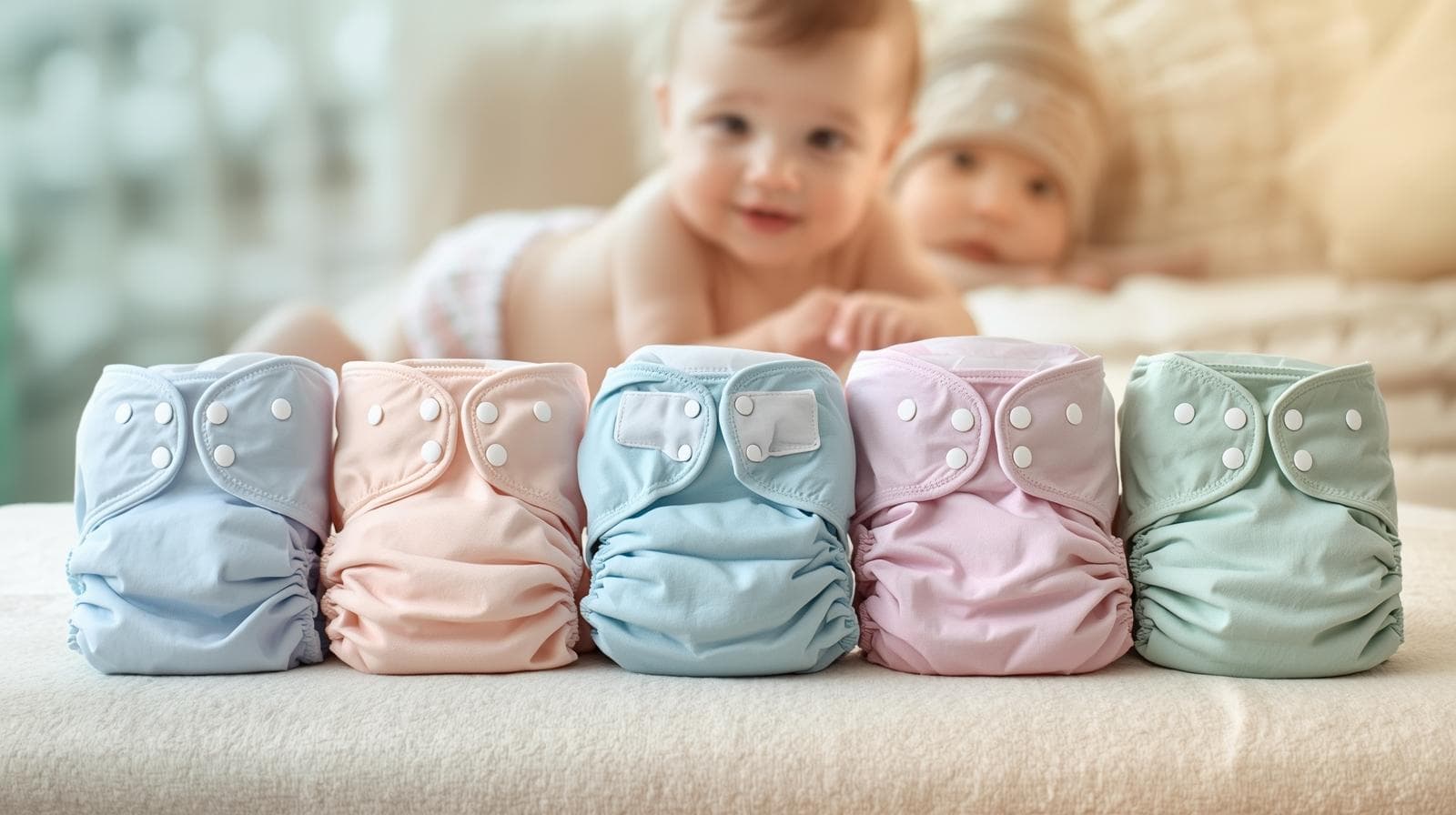
Ultimate guide to baby diapers covering disposable, cloth, and eco-friendly options. Learn about diaper technology, cost analysis, rash prevention, and top brand comparisons for 2025.
📚 Article Contents
The Complete Guide to Baby Diapers 2025: From Science to Sustainability
Choosing the right diaper is one of the most consequential decisions new parents make—affecting everything from baby's comfort and health to environmental impact and family budget. With the global diaper market expected to reach $98.5 billion by 2027, parents face an overwhelming array of choices, each claiming superiority in absorption, comfort, and eco-friendliness. The truth is that the 'best' diaper varies dramatically based on individual baby's physiology, family values, and practical circumstances.
Modern diaper technology has evolved far beyond basic moisture absorption. Today's diapers incorporate smart materials that can pull moisture away from skin up to 10 times faster than previous generations, pH-balancing technologies to maintain skin health, and sustainable innovations that reduce environmental impact without compromising performance. This comprehensive guide goes beyond brand comparisons to explore the science of diaper technology, environmental considerations, and practical strategies for finding the perfect diaper solution for your unique situation. Whether you're considering disposable, cloth, or hybrid systems, we provide evidence-based insights to navigate this essential parenting decision.
Diaper Technology Decoded: Understanding What Makes a Great Diaper
Modern diapers are engineering marvels featuring multiple layers with specific functions. Understanding this technology helps parents make informed choices rather than relying on marketing claims.
Top Sheet Technology: The layer against baby's skin has evolved from basic non-woven fabric to sophisticated materials with capillary action. Look for topsheets with micro-channel technology that pulls moisture downward faster, keeping surface drier. Some premium brands incorporate aloe, vitamin E, or chamomile for additional skin protection.
Absorption Core Science: The core contains superabsorbent polymers (SAP) that can absorb 30 times their weight in liquid. High-quality diapers distribute SAP evenly and include cellulose pulp for rapid liquid acquisition. Advanced cores use zoned absorption—more material where boys or girls typically wet most heavily.
Backsheet Engineering: The waterproof outer layer must balance breathability with leak protection. Modern microporous films allow vapor transmission while blocking liquid. Look for backsheets with stretch and flexibility that move with baby rather than restricting motion.
Wetness Indicators: Many diapers feature color-changing lines that signal when to change. While convenient, these can sometimes encourage unnecessary changes. Consider whether this feature aligns with your parenting approach.
Fit Systems: Advanced diapers feature multiple elements for better fit: stretchable sides, contoured shapes, resealable tabs, and umbilical cord notches for newborns. The best systems accommodate baby's unique shape without gaps or red marks.
Comprehensive Diaper Brand Analysis: 2025's Top Performers
Based on laboratory testing, parent surveys, and pediatric dermatologist recommendations, these brands represent the current market leaders across different categories.
Premium Performance Category
Pampers Pure Protection: Features breathable plant-based materials with 0% chlorine bleaching, fragrance, or parabens. The dual-leakguard barriers and extra-absorb channels provide excellent overnight protection. Particularly effective for sensitive skin with its cotton-soft feel.
Huggies Special Delivery: Made with plant-based materials and premium cotton, this diaper offers exceptional softness and hypoallergenic properties. The Pocketed Waistband prevents blowouts, while the DryTouch liner wicks moisture away 3x faster than conventional liners.
The Honest Company Clean Conscious: Uses FSC-certified fluff pulp and bio-based SAP from sustainable sources. Features 12-hour leak protection and wheat/grass-infused liner for natural odor control. The stylish patterns appeal to design-conscious parents.
Value Performance Category
Millie Moon Super Premium: Available at Target, this surprisingly luxurious diaper outperforms many premium brands at a mid-range price. Exceptionally soft with excellent absorbency and minimal bulk. The stretch tabs provide custom fit without compression marks.
Kirkland Signature (Costco): Consistently ranks high in consumer reports for leak protection and value. Features double leak guards, wetness indicator, and chlorine-free processing. The bulk purchasing model makes them exceptionally cost-effective.
Amazon Mama Bear: Offers multiple lines (overnight, sensitive, etc.) with consistent quality. The plant-based version provides eco-credentials at an accessible price point. Subscription options enhance convenience.
Specialized Diapers for Specific Needs
Some situations require specialized diaper features. Understanding these options helps address specific challenges effectively.
Overnight Solutions: Brands like Pampers Overnights and Huggies Overnites feature 20-30% more absorbent material, extra leak barriers, and moisture-wicking topsheets that stay drier for up to 12 hours. Essential for heavy wetters and uninterrupted sleep.
Sensitive Skin Formulas: Diapers like Seventh Generation Free & Clear eliminate all fragrances, lotions, and processing chemicals. Coterie uses surgical-grade cellulose and medical-grade SAP for maximum purity. WaterWipes specifically designs diapers to complement their popular chemical-free wipes.
Early Potty Training Designs: Pull-up style diapers like Pampers Easy Ups and Huggies Pull-Ups feature side panels that allow children to practice pulling them up and down independently. Many include wetness sensation liners that help children recognize bodily signals.
Swim Diapers: Essential for pool use, these contain superabsorbent polymers that don't swell in water while containing solid matter. Reusable swim diapers like iPlay offer eco-friendly solutions for frequent water activities.
Preemie Specific Designs: Specially sized for babies under 5 pounds, these feature umbilical cord cutouts, extremely gentle materials, and minimal bulk. Leading options include Pampers Preemie Swaddlers and Huggies Preemie Diapers.
The Cloth Diaper Renaissance: Modern Reusables Explained
Cloth diapers have evolved dramatically from the folding and pinning systems of previous generations. Today's options offer convenience, performance, and significant environmental benefits.
All-in-One (AIO) Systems: Most similar to disposables, these feature waterproof outer shell and absorbent inner sewn together. Easy for caregivers but longer drying times. Popular brands: Thirsties, BumGenius.
Pocket Diapers: Feature a waterproof shell with opening to insert absorbent material. Allow customization of absorbency and dry faster than AIOs. Leading options: Alva Baby, Charlie Banana.
Hybrid Systems: Combine reusable covers with disposable or reusable inserts. GroVia hybrids offer excellent flexibility for different situations. Particularly convenient for travel.
Prefold/Cover System: Traditional cloth squares paired with waterproof covers. Most economical option but requires folding skills. Popular with minimalist parents and daycare providers.
Modern Materials: Beyond traditional cotton, today's cloth diapers use hemp (highly absorbent), bamboo (naturally antibacterial), and microfiber (quick absorption but can't touch skin directly).
Cost Analysis: While initial investment is higher ($300-800 vs. $70/month for disposables), cloth diapers save $1,500-2,000 per child. Environmental impact is significantly lower when washed efficiently.
Environmental Impact: Navigating the Sustainability Landscape
The environmental implications of diaper choices are complex, involving water usage, carbon emissions, and landfill impact. Understanding these trade-offs helps make values-aligned decisions.
Disposable Diaper Impact: Traditional disposables account for 2-3% of municipal solid waste in developed countries. They take 250-500 years to decompose in landfills. However, modern manufacturing has reduced their carbon footprint by 32% since 2000 through material reduction and manufacturing efficiency.
Biodegradable Options: Diapers like Dyper and Eco by Naty use plant-based materials and claim compostability under industrial conditions. However, most require commercial composting facilities unavailable to many consumers. Home composting is rarely effective for truly breaking down these materials.
Cloth Diaper Footprint: While eliminating landfill waste, cloth diapers consume significant water and energy for washing. Their environmental advantage depends heavily on washing practices—line drying reduces impact by 43% compared to machine drying.
Hybrid Approaches: Many families use disposables at night or when traveling and cloth during the day. This balanced approach can optimize convenience while reducing environmental impact by 40-60% compared to full-time disposables.
Innovation Frontiers: Companies are developing truly compostable diapers using mushroom-based materials and implementing take-back programs that recycle diaper components into new products. These solutions remain limited but represent the future of diaper sustainability.
Diaper Rash Prevention and Management
Even with the best diapers, occasional rashes are inevitable. Proper prevention and treatment strategies minimize discomfort and complications.
Prevention Strategies
Frequent Changes: Change diapers every 2-3 hours and immediately after bowel movements. Extended contact with moisture is the primary rash trigger.
Proper Cleaning: Use water and soft cloths or alcohol-free wipes. Always clean from front to back, and allow skin to air dry completely before rediapering.
Barrier Creams: Apply zinc oxide or petroleum-based creams as preventive measures, especially overnight. These create protective layers between skin and moisture.
Diaper-Free Time: Allow 10-15 minutes of naked time several times daily to let skin breathe and recover from constant coverage.
Treatment Approaches
Mild Rash Management: Increase change frequency, use thicker barrier creams, and consider switching diaper brands if rash persists.
Yeast Infection Identification: Look for bright red rash with distinct borders and satellite lesions. Requires antifungal creams like clotrimazole.
Bacterial Infection Signs: Pustules, honey-colored crusts, or spreading redness indicate possible bacterial infection needing medical attention.
Allergic Reaction Patterns: Rash that appears only where diaper touches skin suggests material sensitivity. Trial elimination of fragrances, lotions, or specific brands.
Cost Analysis and Smart Shopping Strategies
Diapering represents a significant ongoing expense. Strategic purchasing can save hundreds of dollars annually without compromising quality.
Price Per Diaper Analysis: Calculate cost per diaper rather than package price. Premium brands typically cost $0.35-0.50 each, while store brands range from $0.15-0.25. Bulk purchasing through warehouse clubs or subscription services reduces costs 20-30%.
Size Strategy: Avoid overstocking newborn sizes—most babies transition to size 1 within weeks. Conversely, stock up on sizes 3-4 when on sale, as babies remain in these sizes longest.
Subscription Benefits: Services like Amazon Subscribe & Save offer 15-20% discounts with additional savings for multiple subscriptions. The flexibility to skip shipments prevents overstocking.
Store Brand Quality: Many store brands (Target's Up & Up, Walmart's Parent's Choice) perform comparably to national brands in independent testing. Consider mixing premium overnight diapers with value daytime options.
Rewards Programs: Join brand loyalty programs (Pampers Club, Huggies Rewards) that offer points for purchases redeemable for gifts, coupons, or charitable donations.
Tax Considerations: In some states, diaper purchases qualify for sales tax exemptions. Health savings accounts may cover diapers for children with documented skin conditions.
The Future of Diapering: Emerging Trends and Innovations
The diaper industry continues to evolve with technological advancements and changing consumer preferences. These emerging trends will shape future options.
Smart Diapers: Companies are developing diapers with moisture sensors that alert parents via smartphone when changing is needed. Some incorporate temperature monitoring and health tracking capabilities.
Biometric Monitoring: Advanced diapers in development can analyze urine for early signs of dehydration, urinary tract infections, or metabolic disorders, providing valuable health data.
Circular Economy Models: Take-back programs that recycle diaper components into new products are expanding. TerraCycle's diaper recycling program demonstrates the feasibility of closing the materials loop.
Material Innovations: Research continues into more sustainable superabsorbent polymers from renewable sources and fully compostable backing materials that break down in home composting systems.
Customization Technology: 3D printing and body scanning may enable truly custom-fit diapers tailored to individual baby's shape and absorption patterns, reducing leaks and improving comfort.
Global Accessibility: Companies are developing ultra-low-cost diapers for emerging markets using localized materials and simplified manufacturing, addressing hygiene needs in resource-limited settings.
💡 Helpful Tips
1Buy one small package of several brands to test before committing to bulk purchases—every baby's shape and skin is different.
2Size up when you notice red marks on hips or thighs, or when leaks become frequent despite proper fastening.
3For overnight protection, consider going up one size from your daytime diaper to accommodate additional absorption capacity.
4Always do the 'two-finger test'—you should be able to comfortably fit two fingers between the diaper waistband and baby's skin.
5Stock different brands for different situations—premium for overnight, value brands for frequent daytime changes.
6Watch for sales during major holidays—Black Friday and Amazon Prime Day often feature the best diaper deals of the year.
7Create a diaper station on each level of your home to make changes more convenient and ensure supplies are always accessible.
8Use diaper cream applicators or dedicated cream spatulas to prevent contaminating the jar with each use.
9When traveling, pack twice as many diapers as you think you'll need—unfamiliar environments can disrupt elimination patterns.
10Mark the front of cloth diapers with a small stitch or fabric marker to help caregivers distinguish front from back quickly.
11Store opened diaper packages in a cool, dry place—heat and humidity can degrade the absorbent polymers.
12Repurpose clean, unused diapers that no longer fit as cleaning cloths—the absorbent cores work wonderfully for spills.
13Join parent groups on social media—members often trade or sell unopened diapers their children outgrew before using.
14Take photos of the size/weight charts from diaper boxes—this helps when sending others to purchase for you.
15Trust your instincts—if a diaper consistently causes irritation or leaks despite proper sizing, switch brands regardless of recommendations.