Swaddling: Safe Techniques, Benefits & Step-by-Step Guide for Newborns.Master the art of baby swaddling with our comprehensive guide. Learn safe swaddling techniques, age-appropriate timing, benefits for sleep, and when to transition. Expert tips for newborn comfort and development.
📚 Article Contents
The Art of Swaddling: Creating a Womb-like Comfort for Your Newborn
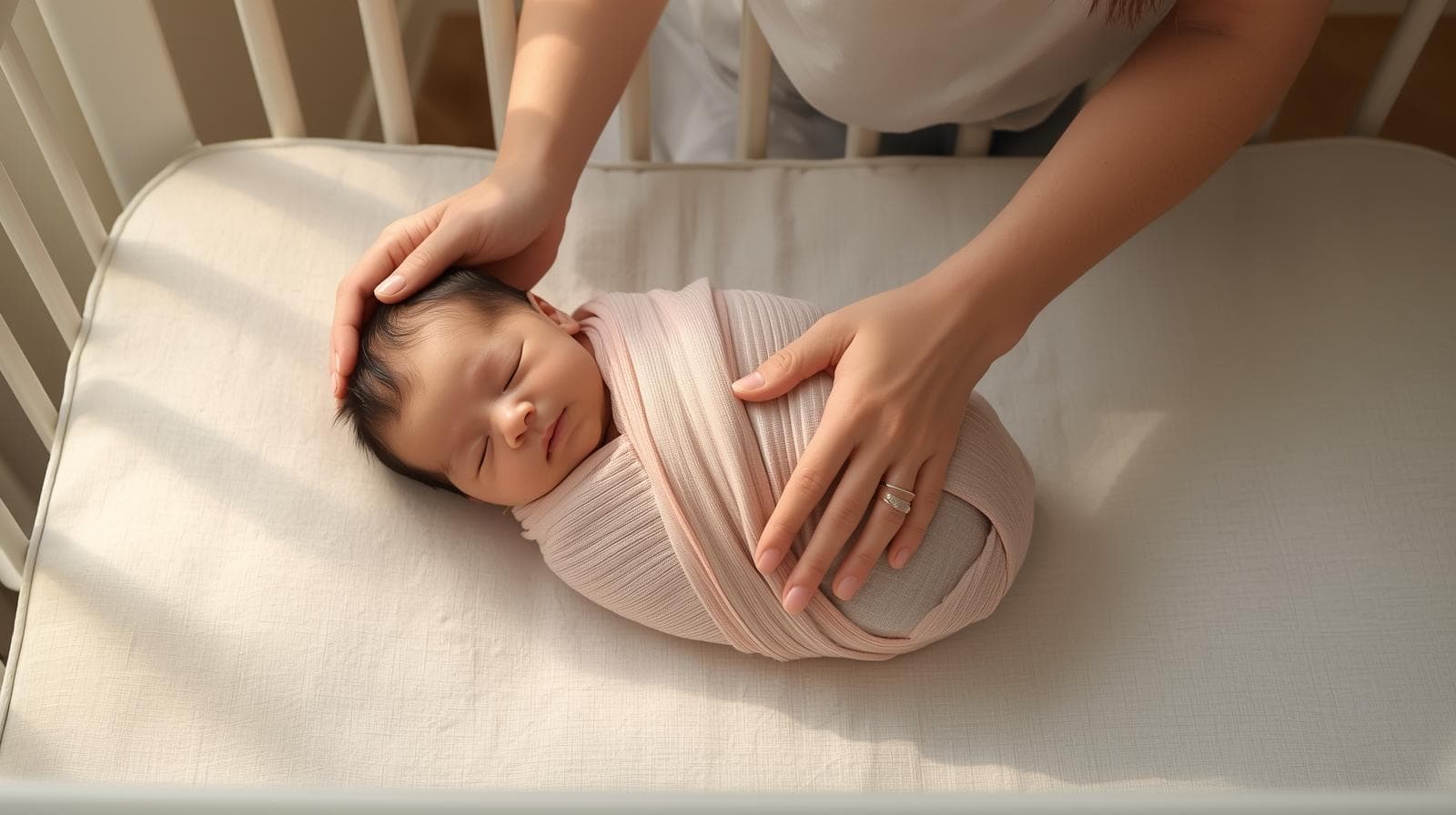
Swaddling is one of the most ancient and effective parenting techniques known to humanity, dating back thousands of years across various cultures. This practice of snugly wrapping infants in blankets serves a profound biological purpose—it recreates the secure, contained environment of the womb, providing comfort and security during the challenging transition to the outside world. For new parents, mastering the art of swaddling can mean the difference between sleepless nights and peaceful rest, between constant fussing and content calm.
The science behind swaddling reveals why this practice remains so valuable in modern parenting. Newborns experience what's known as the Moro reflex or startle reflex—an involuntary response where they suddenly extend their arms and legs when startled, often waking themselves from sleep. Swaddling gently restrains this reflex, allowing babies to sleep more soundly and for longer periods. Additionally, the gentle pressure of a well-executed swaddle provides proprioceptive input that helps regulate a baby's nervous system, reducing stress and promoting relaxation.
However, like any parenting technique, swaddling must be done correctly to ensure both effectiveness and safety. This comprehensive guide will take you through every aspect of swaddling—from choosing the right materials to advanced techniques, safety considerations, and knowing when to transition away from swaddling. Whether you're a first-time parent feeling uncertain or an experienced caregiver looking to refine your technique, this guide provides evidence-based information to help you swaddle with confidence.
Understanding the Benefits: Why Swaddling Matters in Early Parenting
Before mastering the technique, it's important to understand why swaddling remains a cornerstone of newborn care. The benefits extend far beyond simply keeping a baby warm.
Improved Sleep Quality: Swaddled babies typically sleep longer and more deeply. The restraint of the startle reflex prevents sudden awakenings, allowing babies to complete full sleep cycles. Research shows swaddled infants experience 50% fewer startle responses during sleep, leading to more restorative rest for both baby and parents.
Enhanced Calming Effect: The gentle pressure of a swaddle mimics the constant touch and containment babies experienced in the womb. This triggers the release of calming hormones and reduces cortisol levels, helping to soothe fussy or overstimulated infants. Many parents find swaddling particularly effective during the "witching hour"—those fussy evening periods common in newborns.
Temperature Regulation: Proper swaddling helps maintain a stable body temperature without overheating. The layered fabric creates a microclimate around the baby, preventing rapid temperature fluctuations that can disturb sleep. This is especially beneficial for premature infants who struggle with thermoregulation.
Reduced Risk of Scratching: Newborns have limited control over their movements and often accidentally scratch themselves with their sharp fingernails. Swaddling keeps hands contained, protecting delicate skin while parents work on nail care techniques.
Support for Neurological Development: The containment provided by swaddling helps organize a newborn's nervous system. The consistent boundary helps babies process sensory information more effectively, which is particularly beneficial for infants experiencing sensory overload.
Parental Confidence: Mastering swaddling gives parents a reliable tool to comfort their baby, reducing feelings of helplessness when facing infant distress. This confidence positively impacts the parent-child bonding process.
Essential Materials: Choosing the Right Swaddling Blankets
The foundation of successful swaddling begins with selecting appropriate materials. Not all blankets are created equal when it comes to swaddling safety and effectiveness.
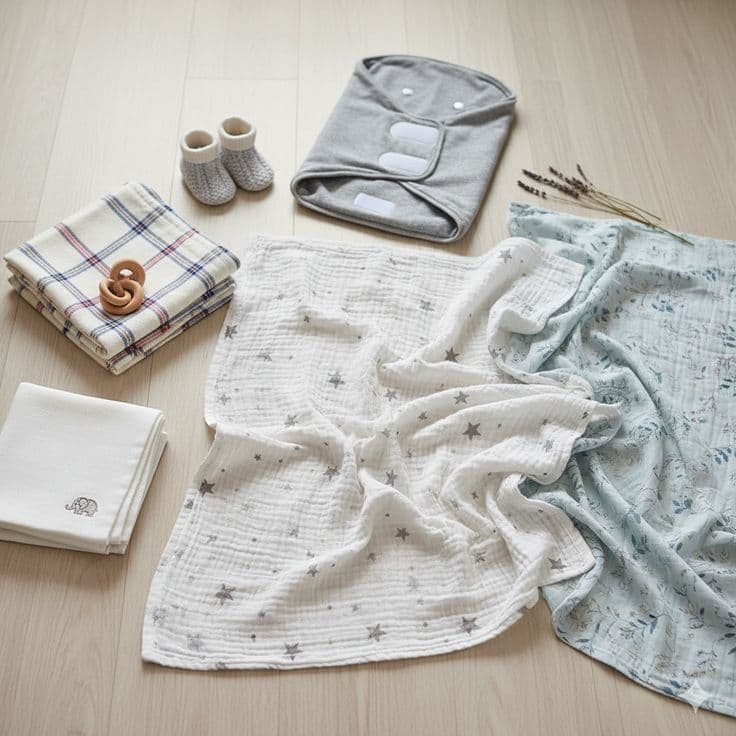
Muslin Blankets: These are the gold standard for swaddling. Made from 100% cotton muslin, they're lightweight, breathable, and become softer with each wash. Their slightly stretchy quality allows for a snug wrap without being constrictive. Look for large muslin blankets (at least 47x47 inches) to ensure adequate coverage as your baby grows.
Cotton Receiving Blankets: Traditional receiving blankets work well for swaddling, especially for smaller newborns. Choose 100% cotton varieties that are soft, breathable, and approximately 40x40 inches in size. Avoid blankets with heavy embroidery or raised patterns that could create pressure points.
Specialized Swaddle Wraps: For parents who struggle with traditional swaddling techniques, modern swaddle wraps with Velcro or zip closures can be excellent alternatives. These products are designed with safety in mind and often include features like adjustable tightness and hip-healthy designs.
Seasonal Considerations: In warmer months, opt for single-layer muslin or lightweight cotton. During colder weather, you can use slightly heavier cotton blankets, but always monitor for overheating. Remember: it's better to use a light blanket and add layers over the swaddle than to use a heavy swaddling blanket.
What to Avoid: Steer clear of weighted blankets, thick quilts, fleece blankets (unless in very cold environments with close monitoring), and any materials that don't breathe well. Also avoid blankets with loose threads, ribbons, or decorative elements that could pose entanglement risks.
Visual Inspiration: Choosing the Right Swaddling Blankets
Choosing the Right Swaddling Blankets
Step-by-Step Swaddling Techniques
Master these fundamental swaddling methods to become proficient in this essential parenting skill.
The Traditional Diamond Fold Method
Step 1: Prepare Your Surface: Lay the blanket on a flat, safe surface in a diamond orientation. Fold the top corner down about 6 inches to create a straight edge.
Step 2: Position Your Baby: Place your baby on their back with their neck resting just above the folded edge. Their shoulders should be level with or slightly below the fold.
Step 3: Secure the Right Side: Take the right corner of the blanket and bring it across your baby's body. Tuck it securely under their left side, making sure their right arm is gently positioned straight alongside their body.
Step 4: Create the Foot Pocket: Lift the bottom corner of the blanket up over your baby's feet, creating a loose "pocket" that allows for hip and leg movement.
Step 5: Complete the Wrap: Take the left corner and bring it across your baby's body, tucking it under their right side. Ensure the wrap is snug but not tight, with enough room for you to slide two fingers between the blanket and your baby's chest.
The Square Technique for Active Babies
Step 1: Square Layout: Lay the blanket in a square shape rather than a diamond. This method works well for babies who frequently break out of traditional swaddles.
Step 2: Arm Positioning: Place your baby in the center with arms bent at elbows in a "goalpost" position rather than straight at sides. This natural position is more comfortable for many infants.
Step 3: Cross-wrap Technique: Instead of wrapping sides individually, cross the left side over the right arm and right side over the left arm, creating a secure criss-cross pattern across the chest.
Step 4: Bottom Tuck: Fold the bottom portion up and tuck it into the chest wrap, creating a secure bundle that's harder for active babies to escape.
The Emergency One-Minute Swaddle
For Fussy Moments: When your baby is crying and you need to swaddle quickly, this method can be a lifesaver.
Quick Lay: Spread blanket and place baby in center without precise positioning.
Bundle and Tuck: Quickly bring both sides across the body simultaneously and tuck, then secure the bottom. Speed is key—you can adjust and perfect once baby is calmer.
Comprehensive Do's and Don'ts of Safe Swaddling
Following these guidelines ensures your swaddling practice remains both effective and safe for your baby's development.
Essential Do's
DO ensure hip-healthy positioning: Always leave room for your baby's hips and legs to move freely. The swaddle should be snug around the chest and arms but loose around the hips to allow for natural leg movement and proper hip development.
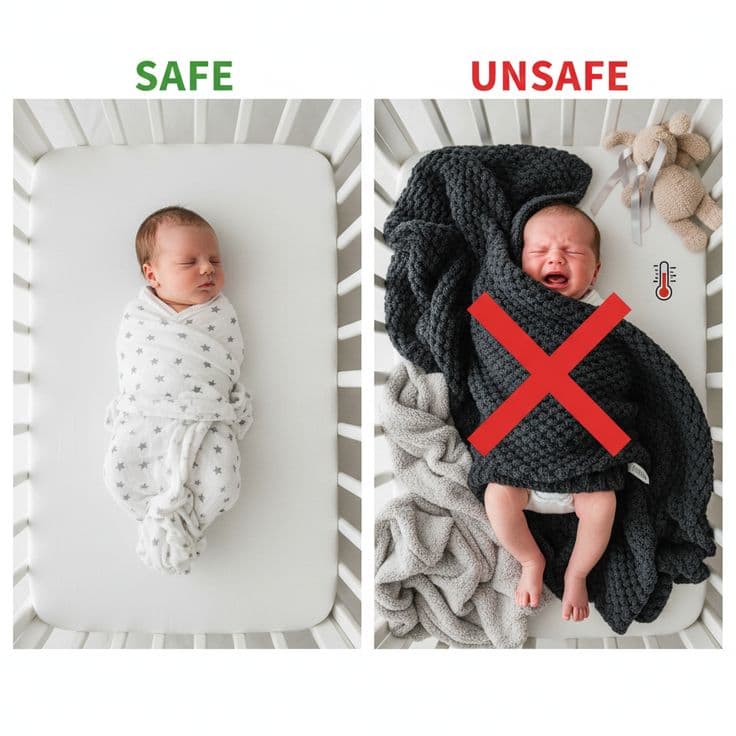
DO place baby on their back to sleep: This is the single most important safe sleep practice. Swaddled babies must always be placed on their back for sleep to reduce SIDS risk.
DO monitor temperature regularly: Feel your baby's neck or back to check for overheating. Signs include sweating, damp hair, flushed cheeks, rapid breathing, or heat rash. Adjust layers accordingly.
DO use appropriate-sized blankets: The blanket should be large enough to secure properly without coming loose but not so large that it creates excess fabric that could cover the face.
DO check the fit frequently: As your baby grows, regularly assess whether the swaddle still fits properly. You should be able to fit 2-3 fingers between the blanket and your baby's chest.
DO transition when signs appear: Begin transitioning out of the swaddle when your baby shows signs of rolling over, typically between 2-4 months. This is a critical safety milestone.
DO wash blankets regularly: Use gentle, fragrance-free detergent to maintain cleanliness and prevent skin irritation from accumulated milk, spit-up, or drool.
Critical Don'ts
DON'T swaddle too tightly: Overly tight swaddling can restrict breathing and cause hip dysplasia. The wrap should feel like a firm hug, not a constraint.
DON'T cover the head or face: Always keep your baby's head uncovered and ensure the blanket cannot ride up over the face during sleep.
DON'T use weighted swaddles: The American Academy of Pediatrics advises against weighted swaddles or sleep sacks due to the risk of overheating and breathing restriction.
DON'T swaddle if baby can roll over: Once your baby shows signs of rolling from back to front, discontinue swaddling immediately—even if they haven't completed a full roll yet.
DON'T place additional blankets over swaddled baby: Instead of adding blankets, use a sleep sack or adjust room temperature. Loose blankets in the crib increase SIDS risk.
DON'T swaddle for continuous periods: Give your baby regular breaks from swaddling during awake periods to allow for free movement and motor development.
DON'T ignore your baby's preferences: Some babies dislike being swaddled. If your baby consistently fights the swaddle or seems more distressed when swaddled, respect their individual needs.
Visual Inspiration: Do's and Don'ts of Safe Swaddling
Do's and Don'ts of Safe Swaddling
Age-Specific Swaddling Guidelines and Timings
Swaddling practices should evolve as your baby grows and develops new skills. Here's a comprehensive timeline for safe swaddling from newborn through transition.
Newborn Stage (0-8 weeks)
Duration: Swaddle for most sleep periods, both daytime naps and nighttime sleep.
Frequency: Typically 16-18 hours per day, with breaks during awake periods for movement and interaction.
Technique: Use traditional methods with emphasis on secure wrapping, as newborns have strong startle reflexes but limited mobility.
Awake Time: Unswaddle for 30-60 minutes after each feeding for tummy time, bonding, and free movement.
Special Considerations: Premature infants may benefit from swaddling for longer periods but require medical guidance for specific timing.
Developing Infant (2-4 months)
Duration: Begin reducing swaddling time as baby shows increased body awareness and motor control.
Frequency: Swaddle primarily for nighttime sleep and the first nap of the day when sleep drive is strongest.
Transition Signs: Watch for increased arm movement, breaking out of swaddle consistently, or showing preference for having arms free.
Partial Swaddling: Experiment with leaving one arm out while keeping the other swaddled, particularly if your baby shows a preference for sucking on hands.
Transition Period (3-5 months)
Critical Window: This is the most important period for swaddling safety. Most babies begin showing rolling readiness between 3-4 months.
Immediate Cessation: Stop swaddling completely at the first sign of attempted rolling, even if baby hasn't successfully rolled over yet.
Alternative Methods: Transition to sleep sacks with arms free, wearable blankets, or other safe sleep products that don't restrict arm movement.
Gradual Approach: If your baby struggles with the transition, try swaddling with both arms out for a few nights before moving completely to sleep sacks.
Troubleshooting Common Swaddling Challenges
Even with proper technique, parents often encounter specific challenges. Here's how to address the most common swaddling issues.
The Escape Artist: If your baby consistently breaks out of the swaddle, try the double-swaddle technique: use a smaller, stretchy blanket for the first layer and a larger blanket for the outer layer. Ensure you're tucking the final corner securely under the baby's body.
The Houdini Hands: Some babies insist on having their hands near their face. Try the "arms up" swaddle technique or use specialized swaddles that allow for this natural positioning while still containing the startle reflex.
Overheating Concerns: If your baby seems warm, use only a diaper under the swaddle and monitor room temperature (ideal is 68-72°F). Choose breathable cotton or muslin materials and watch for signs like sweating or rapid breathing.
Fighting the Swaddle: If your baby resists being swaddled, try swaddling while they're already drowsy or asleep. Some babies prefer being swaddled from the chest down with arms free—this can be a good compromise.
The Midnight Breakout: For babies who escape during the night, consider swaddle transition products that are more secure but still safe. Alternatively, move to sleep sacks earlier if your baby is developmentally ready.
Soothing Without Swaddling: If you need to stop swaddling earlier than expected, establish other soothing methods like white noise, pacifiers, or gentle rocking to help your baby adjust.
Swaddling in Special Circumstances
Certain situations require adjusted swaddling approaches to meet specific needs.
Premature Infants: Preemies often benefit from swaddling but may have specific medical considerations. Always follow NICU guidelines and use approved positioning devices if recommended. Kangaroo care (skin-to-skin) can be combined with gentle swaddling for comfort.
Babies with Hip Concerns: If your baby has hip dysplasia or is at risk, ensure the swaddle allows for hip-abducted positioning (legs bent up and out). Avoid straightening and pressing legs together, which can exacerbate hip issues.
Hot Climate Living: In warm environments, use minimal clothing under swaddles and consider dampening the outer layer of the swaddle with cool water (not cold) to help with temperature regulation. Monitor closely for dehydration signs.
Cold Weather Considerations: In colder climates, dress baby in appropriate layers under the swaddle rather than using thicker blankets. Remember that overheating is more dangerous than being slightly cool.
Babies with Medical Equipment: For infants requiring monitors or medical devices, work with healthcare providers to develop safe swaddling techniques that accommodate equipment while maintaining comfort and security.
Transitioning Away from Swaddling: A Step-by-Step Guide
Knowing when and how to stop swaddling is as important as knowing how to start. This transition is a significant developmental milestone.
Recognize the Signs: The most critical sign is any attempt to roll over. Other indicators include consistently breaking out of the swaddle, increased arm movement during sleep, or apparent discomfort when swaddled.
The One-Arm-Out Method: Begin by leaving one arm out of the swaddle for a few nights, then switch to the other arm, before transitioning to both arms free. This gradual approach helps babies adjust to the increased mobility.
Swaddle Transition Products: Consider using transitional products like zipadee-zips or sleep sacks with arm compartments that provide some containment while allowing movement.
Timing the Transition: Ideally begin the transition around 3 months, even if rolling hasn't started yet. This gives your baby time to adjust before rolling becomes consistent.
Managing the Adjustment: Expect some sleep disruption during the transition. Maintain consistent bedtime routines and be prepared with additional soothing techniques like patting, shushing, or offering a pacifier.
Safe Alternatives: Once fully transitioned, use wearable blankets or sleep sacks that keep baby warm without restricting arm movement. These provide the security of being "wrapped" without the safety concerns of traditional swaddling.
Cultural Perspectives and Modern Adaptations
Swaddling practices vary across cultures, and understanding these variations can enrich your approach to this ancient parenting art.
Historical Practices: Many cultures have traditional swaddling methods—from the tight swaddling of Eastern European traditions to the more relaxed approaches in some Asian cultures. Understanding these variations highlights the universal recognition of infants' need for containment.
Modern Science Integration: Contemporary swaddling combines traditional wisdom with scientific understanding of hip development, safe sleep practices, and neurological needs.
Product Evolution: The development of modern swaddling products represents an interesting fusion of traditional knowledge and technological innovation, making swaddling accessible to more parents.
Global Safety Standards: International pediatric associations have developed consistent guidelines for safe swaddling, creating universal standards while respecting cultural variations in practice.
💡 Helpful Tips
1Practice swaddling on a doll or stuffed animal before trying with your baby to build confidence.
2Keep multiple swaddle blankets handy—you'll go through several each day due to spit-ups and diaper leaks.
3Swaddle before your baby becomes overtired or overly fussy for best results.
4The sound of the blanket unfolding can become a sleep cue for your baby over time.
5Always place a swaddled baby on their back in a empty crib—no pillows, blankets, or stuffed animals.
6If using Velcro swaddles, ensure the loud sound doesn't startle your baby during nighttime changes.
7Swaddling can be particularly helpful during medical procedures or vaccinations to provide comfort.
8Remember that swaddling is a tool, not a solution—combine it with other soothing techniques for best results.
9Wash new blankets several times before first use to maximize softness and remove any manufacturing residues.
10Trust your instincts—if a swaddling method doesn't feel right for your baby, try alternatives.