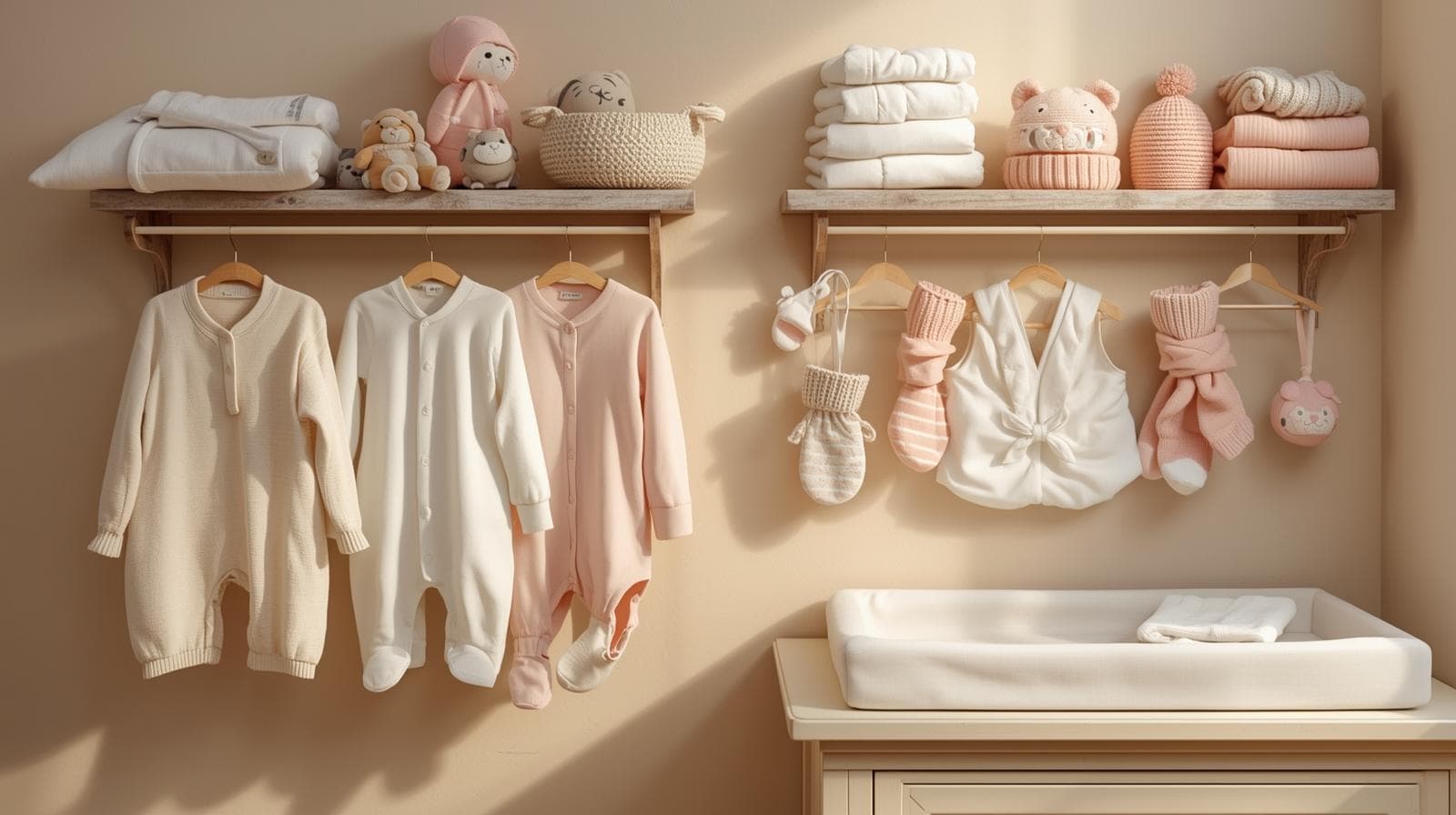
Ultimate guide to newborn baby clothes in 2025. Learn about essential wardrobe items, proper sizing, fabric choices, safety considerations, and sustainable options for your newborn's clothing needs.
📚 Article Contents
The Essential Newborn Wardrobe: Building Your Baby's First Clothing Collection
Preparing your newborn's wardrobe is one of the most exciting tasks of pregnancy, but it can also be overwhelming given the countless options available. The right clothing does more than just keep your baby warm—it supports their delicate skin, facilitates easy diaper changes, and ensures comfort during their rapid growth and development. In 2025, parents are increasingly prioritizing sustainable materials, gender-neutral options, and clothing that grows with their baby.
Understanding newborn clothing essentials goes beyond simply buying cute outfits. It involves selecting fabrics that protect sensitive skin, designs that accommodate frequent changes, and sizes that account for your baby's rapid growth. This comprehensive guide covers everything from the science behind fabric choices to practical dressing strategies for different seasons and situations. Whether you're a minimalist parent seeking only the essentials or someone who loves curating a beautiful wardrobe for your little one, this guide will help you make informed decisions that prioritize your baby's comfort and safety.
Newborn Clothing Essentials: The Must-Have Basics
Building a functional newborn wardrobe starts with these essential pieces that cover all your baby's needs from birth through the first three months.
Bodysuits/Onesies (8-10 pieces): These are the workhorses of the newborn wardrobe. Look for envelope-style necks that slip easily over the head, snap closures at the crotch for easy diaper changes, and 100% cotton or bamboo fabric. Side-snap styles are particularly useful for newborns with delicate umbilical cord stumps.
Footed Sleepers (6-8 pieces): Also called sleep-and-play outfits, these one-piece garments keep babies warm without loose blankets. Choose ones with reverse zippers for easier diaper changes and built-in mittens to prevent scratching. Magnetic closures are a premium option that makes nighttime changes nearly seamless.
Swaddles and Sleep Sacks (4-6 pieces): Modern swaddles with Velcro or zip closures are safer and more effective than traditional blanket swaddling. Sleep sacks become essential once babies start rolling and can no longer be swaddled. Look for TOG-rated options appropriate for your room temperature.
Pants and Leggings (4-6 pairs): These provide flexibility for layering. Soft, stretchy cotton with elastic waists that aren't too tight are ideal. Pair with bodysuits for easy outfit combinations that accommodate changing temperatures.
Hats (2-3 pieces): Newborns lose significant body heat through their heads. Soft cotton or bamboo hats are essential for the first few weeks, both indoors and outdoors. Avoid strings or tight elastic that could pose safety risks.
Socks and Booties (6-8 pairs): Tiny feet need protection from cold. Look for socks with non-slip grips for older babies and ensure they're not so tight they leave marks. Socks with longer cuffs stay on better than ankle socks.
Mittens (2-3 pairs): Newborns have sharp nails and limited control over their movements. Soft mittens prevent face scratching. However, many pediatricians recommend frequent nail trimming instead of constant mitten use to support sensory development.
Special Occasion Outfits (2-3 outfits): While not essential, having a few special outfits for photos or events can be nice. Choose comfortable fabrics rather than stiff, decorative materials that might irritate skin.
Understanding Newborn Sizing: Navigating the Confusing World of Baby Sizes
Baby clothing sizes can be confusing, with significant variation between brands and countries. Understanding these nuances helps you buy the right sizes for your newborn's stage.
Standard Size Guidelines
Preemie (Up to 5-6 pounds): Designed for babies born before 37 weeks. These have smaller dimensions throughout and often accommodate medical equipment.
Newborn (5-8 pounds): Fits most full-term newborns for the first few weeks. Many babies outgrow this size quickly, so don't overinvest.
0-3 Months (8-12 pounds): The most practical starting size for most newborns. These allow room for growth and typically fit for 2-3 months.
3-6 Months (12-16 pounds): The next size up, but many babies move directly from 0-3 months to 6-9 months depending on their growth pattern.
International Size Conversions
US Sizes: Typically labeled by month ranges (0-3M, 3-6M)
European Sizes: Numbered by height in centimeters (50, 56, 62, 68)
UK Sizes: Similar to US but often run slightly larger
Asian Sizes: Often run smaller than Western sizes—consider sizing up
Fabric Science: Choosing Materials for Your Baby's Sensitive Skin
The fabric against your newborn's skin plays a crucial role in their comfort, temperature regulation, and skin health. Modern baby clothing offers more choices than ever.
Organic Cotton: The gold standard for baby clothing. Grown without pesticides, it's soft, breathable, and hypoallergenic. Look for GOTS (Global Organic Textile Standard) certification for assurance of organic status throughout production.
Bamboo Viscose: Incredibly soft with natural temperature-regulating properties. Bamboo is sustainable and produces fabric that's breathable in heat and warm in cool temperatures. It's also naturally antibacterial.
Modal: Made from beech tree pulp, modal is softer than cotton and highly absorbent. It's particularly good for drool-prone babies and maintains its softness through repeated washing.
Tencel/Lyocell: Similar to modal but made through a more environmentally friendly process. It's breathable, moisture-wicking, and gentle on sensitive skin.
Wool and Cashmere: Excellent for cold weather but can be irritating for some babies. Merino wool is typically the softest option. Always check for superwash treatment that allows machine washing.
Synthetic Blends: Polyester and nylon are durable and affordable but less breathable than natural fibers. They can trap moisture and may cause overheating or skin irritation for some babies.
What to Avoid: Steer clear of rough seams, scratchy tags, heavy embellishments, and fabrics treated with formaldehyde or other chemicals. Always wash new clothes before first use to remove manufacturing residues.
Seasonal Dressing: Adapting Your Newborn's Wardrobe
Dressing your newborn appropriately for different seasons ensures their comfort and safety in varying temperatures.
Summer Dressing Strategies
Light Layers: Single-layer cotton onesies or rompers are ideal. Avoid synthetic materials that don't breathe well.
Sun Protection: Choose clothing with UPF protection for outdoor time. Wide-brimmed hats protect face and neck.
Temperature Regulation: Dress baby in one more layer than you're comfortable wearing. Feel their neck or back to check temperature—hands and feet are poor indicators.
Nighttime Considerations: In air conditioning, a light sleep sack may be needed over summer pajamas.
Winter Dressing Approaches
The Layering System: Start with a bodysuit, add pants and a long-sleeved top, then finish with a warm sleeper or sleep sack.
Indoor-Outdoor Transitions: Remove heavy coats before placing baby in a car seat (coats compress in crashes, creating dangerous slack in harnesses).
Extremity Protection: Don't forget hats, socks, and mittens. Babies lose significant heat through their heads.
Overheating Prevention: Watch for sweating, flushed cheeks, rapid breathing, or heat rash—all signs your baby may be too warm.
Safety Considerations in Newborn Clothing
Safety should always be the primary consideration when selecting clothing for your newborn. These guidelines help prevent common hazards.
Choking Hazards: Avoid clothing with small buttons, sequins, or decorative elements that could detach and be swallowed. Choose printed designs over appliques when possible.
Strangulation Risks: Steer clear of neck ties, long strings, or loose ribbons that could wrap around your baby's neck. Drawstrings should be removed from hoods.
Fire Safety: Look for snug-fitting sleepwear labeled as flame-resistant or made from tight-fitting cotton that doesn't easily ignite. Loose, flowing nightgowns are not recommended.
Suffocation Prevention: Avoid bibs, hats, or clothing with strings that could cover your baby's face during sleep. Remove bibs before naptime.
Circulation and Movement: Clothing should be snug but not tight. Check for red marks that indicate clothing is too restrictive. Ensure feet have room to move in footed sleepers.
Temperature Regulation: Dress your baby in layers rather than one heavy item. This allows you to adjust easily to temperature changes without overheating or chilling.
Car Seat Safety: Remove bulky coats and snowsuits before securing your baby in a car seat. The harness should be snug against the body, not compressed padding.
Sustainable and Ethical Clothing Choices
Many modern parents are considering the environmental and ethical impact of their baby clothing purchases. These approaches help build a more conscious wardrobe.
Quality Over Quantity: Invest in fewer, higher-quality pieces that last through multiple children. Well-made clothing maintains its shape and softness through numerous washes.
Secondhand and Hand-Me-Downs: Gently used baby clothing is often practically new since babies outgrow items so quickly. This approach saves money and reduces environmental impact.
Gender-Neutral Selections: Choosing colors and styles that work for any child increases the likelihood of reuse for future siblings or resale value.
Ethical Production: Look for brands that transparently share their manufacturing practices, ensure fair wages, and maintain safe working conditions.
Organic and Sustainable Materials: Choose GOTS-certified organic cotton, bamboo from sustainable sources, or other eco-friendly fabrics that use less water and fewer chemicals in production.
Minimal Packaging: Support brands that use recycled or minimal packaging to reduce waste.
Local Production: When possible, choose locally made clothing to reduce carbon footprint from transportation.
Practical Dressing Strategies for New Parents
Dressing a wiggly newborn can be challenging. These techniques make the process smoother and more enjoyable for both you and your baby.
The Neckline Stretch: Always stretch necklines wide before pulling over your baby's head. Envelope-style shoulders are designed specifically for this purpose.
Layering Logic: Dress from the skin out. Start with the onesie, then add pants and tops. This minimizes the time your baby spends partially dressed and uncomfortable.
Diaper-Changing Efficiency: Choose clothing with snap crotches or zippers that open fully for easy access during changes. Two-way zippers are particularly convenient.
Spit-Up Management: Keep a supply of bibs and burp cloths handy. Some parents prefer dark colors or patterns that hide stains between washes.
Quick Changes: Create multiple "change stations" around your home with complete outfits to minimize trips to the nursery during busy days.
Growth Accommodation: Look for features like fold-over cuffs on sleeves and pants that can extend the wearable life of clothing as your baby grows.
Travel Considerations: Pack complete outfits (onesie, pants, socks) together in ziplock bags for easy grabbing during outings.
Special Considerations for Different Situations
Certain circumstances require specific clothing considerations to ensure your baby's comfort and safety.
Medical Considerations
NICU Babies: Preemie clothing is essential, and items with front openings accommodate monitor wires more easily.
Sensitive Skin: For babies with eczema or allergies, choose 100% natural fibers without dyes or chemical treatments.
Physical Therapy: Some babies benefit from clothing that allows free movement for developmental exercises.
Medical Devices: Look for adaptive clothing with special openings for feeding tubes or monitoring equipment if needed.
Cultural and Climate Considerations
Hot Climates: Light colors reflect heat, and loose, breathable fabrics prevent overheating.
Cold Climates: Layer thin materials rather than using one heavy layer. Wool and silk provide warmth without bulk.
Cultural Traditions: Some cultures have specific clothing traditions for newborns. Balance these with safety considerations.
Religious Ceremonies: Plan ahead for any religious ceremonies that may require specific clothing, ensuring it's comfortable and safe for your baby.
Building a Long-Term Wardrobe Strategy
A thoughtful approach to building your baby's wardrobe can save money, reduce waste, and ensure you always have appropriate clothing available.
Growth Projection: Most babies double their birth weight by 5-6 months. Buy larger sizes in advance during sales, but avoid overstocking on any one size.
Seasonal Planning: Consider what season your baby will be in each size. A 6-month size in summer requires different clothing than the same size in winter.
Gift Guidance: When friends and family ask what you need, be specific about sizes, styles, and colors to avoid duplicates or impractical items.
Storage Solutions: Use clear bins labeled by size to store clothing your baby hasn't grown into yet. This makes rotation easy as they grow.
Resale Value: Keep clothing in good condition by following care instructions. Quality brands often have good resale value for the next family.
Minimalist Approach: Some parents prefer a capsule wardrobe with mix-and-match pieces in a coordinated color palette. This reduces decision fatigue and ensures everything works together.
Digital Inventory: Take photos of clothing you receive as gifts to avoid duplicates when shopping. Some apps can help track what you have in each size.
💡 Helpful Tips
1Wash all new clothing before first use to remove manufacturing chemicals and soften fabrics.
2Create 'outfit sets' by storing complete outfits together for easy dressing during sleepy early mornings.
3Take monthly photos in the same outfit to visually track your baby's growth—this becomes a precious keepsake.
4Keep a 'too small' bin handy for quick removal of outgrown items before they clutter the drawer.
5Invest in quality basics and save on trendy items that may go out of style before your next child needs them.
6Use sock clips or holders to keep pairs together in the laundry and prevent single sock syndrome.
7Consider magnetic closure sleepers for nighttime changes—they're faster and quieter than snaps or zippers.
8Take note of which brands fit your baby best for future purchasing decisions—every baby's proportions are different.
9Keep a 'go bag' with a complete change of clothes in your car for unexpected messes during outings.
10Photograph cute outfits before your baby wears them—some get stained before you capture the memory.
11Use color-coded sizing dots on tags to quickly identify sizes when sorting hand-me-downs or laundry.
12Remember that comfort trumps fashion—your baby would rather be in soft, stretchy cotton than a stiff, fancy outfit.
13Check clothing for rough seams or tags that might irritate your baby's skin, and remove if necessary.
14Consider the practicalities of diaper changes when choosing outfits—complicated fasteners become frustrating quickly.
15Trust your instincts—if an outfit seems impractical or uncomfortable, it probably is, no matter how cute it looks.